Learn from the best on how to promote yourself and your business from Movement Mortgage Sales Coach, Nick Thomas. At The Westin Richmond on October 19th from 2:00 pm - 5:00 pm, see you there!
Showing posts with label rva mortgage. Show all posts
Wednesday, October 4, 2017
Wednesday, June 7, 2017
Happy National Homeownership Month!
Happy National Homeownership Month! There are so many ways to get started on making the goal of homeownership a reality - FHA programs, Tax Credits, and Rehab Incentives to name a few! HUD, The Department of Housing and Urban Development, is celebrating this month by talking about the benefits of their Housing Counseling services that have helped lots of families across the country OWN a piece of their American Dream.
Tuesday, March 21, 2017
Do You Know How Many Credit Scores You Have?
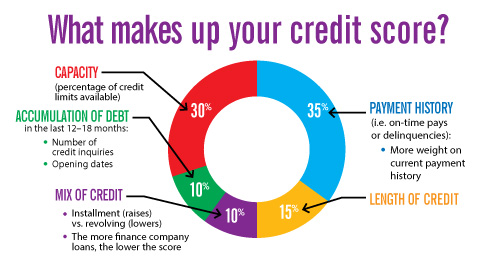
Your credit rating is the biggest factor when it comes to applying for a mortgage. Many people get taken by surprise by their credit rating if they haven't done a little research first. There are ways to manage your credit before you apply for a home loan and knowing how your credit is rated is half the battle.
1 Thing You Probably Didn't Know About FICO Credit Scores
Do you know how many FICO scores you have? If you said three or fewer, you need to read this.
By Matthew Frankel
How many different FICO credit scores do you have? Many people think they have just one, since there's only one FICO score included in many sources, such as the free score offered by several credit cards. Others think there are three -- one from each credit bureau. While this is true, each bureau actually has several different versions lenders can see. It may surprise you to learn that, in all, you have more than two dozen FICO scores.
Why use FICO and not anything else?
There are several different types of credit scores, but the FICO score, produced by the Fair Isaac Corporation, is the most widely used by far. In fact, the FICO scoring model is used in more than 90% of lending decisions.
To be clear, I'm not saying that non-FICO credit scores can't be useful. The second most popular scoring model, Vantage Score, and others are based on the information in your credit report and can give you a good general idea of where you stand -- great credit, so-so credit, etc. However, it's important to remember that these scores are most likely not what a lender is going to see when you apply for a new credit account.
Within the FICO scoring model, however, you might be surprised at how many different credit scores you have.
The three credit bureaus
There are three different credit bureaus that use the FICO scoring method to generate credit scores from the information in your credit report -- Equifax, Experian, and TransUnion.
Over the past few years, more and more credit card issuers are offering "free FICO scores" as a perk of card membership. While these scores are the real thing, they only represent one of the three credit bureaus (TransUnion seems to be common).
While the only way to see your scores from all three bureaus side by side is usually to pay for it, you can view your full credit reports from all three bureaus once per year, absolutely free, at www.annualcreditreport.com. This is truly a free service -- not a sales gimmick for a credit monitoring service, so take advantage to make sure that all three of your credit reports are error-free.
But that's not all
In addition to having FICO scores from all three credit bureaus, there are several versions of your FICO score generated by each one.
For starters, these include updated versions of the FICO scoring model, as the formula has been fine-tuned over the years. The most popular version currently in use is known as FICO Score 8, but FICO recently released FICO Score 9, which incorporates certain changes. To name the major differences, FICO Score 9 doesn't count paid collection accounts against you, places less emphasis on unpaid medical bills than the previous version, and counts payment histories on rental housing if it's reported. Some lenders have started using FICO Score 9, but it's not widespread just yet.
There are also industry-specific FICO scores for auto lending, credit card decisions, and mortgage lending. For example, an auto-specific FICO score might emphasize a borrower's previous history with auto loans and leases over other credit information.
Wait, I have how many different FICO scores?
Between all three credit bureaus, and including the different versions of the FICO score that are used by various types of lenders, there are 28 different FICO scores. And this just includes versions that are commonly used by lenders today -- there could be lenders using outdated versions of these scores as well.
The bottom line is that even if you know what your FICO score is, there's no way of knowing specifically which version a lender is going to be looking at. You can see all your FICO scores on websites such as myFICO.com (for a fee), and there may be some variation between the scores, so it may be worth checking out the full picture of your FICO situation if you're planning to make a large purchase anytime soon.
To view the original article, visit The Motley Fool.
1 Thing You Probably Didn't Know About FICO Credit Scores
Do you know how many FICO scores you have? If you said three or fewer, you need to read this.
By Matthew Frankel
How many different FICO credit scores do you have? Many people think they have just one, since there's only one FICO score included in many sources, such as the free score offered by several credit cards. Others think there are three -- one from each credit bureau. While this is true, each bureau actually has several different versions lenders can see. It may surprise you to learn that, in all, you have more than two dozen FICO scores.
Why use FICO and not anything else?
There are several different types of credit scores, but the FICO score, produced by the Fair Isaac Corporation, is the most widely used by far. In fact, the FICO scoring model is used in more than 90% of lending decisions.
To be clear, I'm not saying that non-FICO credit scores can't be useful. The second most popular scoring model, Vantage Score, and others are based on the information in your credit report and can give you a good general idea of where you stand -- great credit, so-so credit, etc. However, it's important to remember that these scores are most likely not what a lender is going to see when you apply for a new credit account.
Within the FICO scoring model, however, you might be surprised at how many different credit scores you have.
The three credit bureaus
There are three different credit bureaus that use the FICO scoring method to generate credit scores from the information in your credit report -- Equifax, Experian, and TransUnion.
Over the past few years, more and more credit card issuers are offering "free FICO scores" as a perk of card membership. While these scores are the real thing, they only represent one of the three credit bureaus (TransUnion seems to be common).
While the only way to see your scores from all three bureaus side by side is usually to pay for it, you can view your full credit reports from all three bureaus once per year, absolutely free, at www.annualcreditreport.com. This is truly a free service -- not a sales gimmick for a credit monitoring service, so take advantage to make sure that all three of your credit reports are error-free.
But that's not all
In addition to having FICO scores from all three credit bureaus, there are several versions of your FICO score generated by each one.
For starters, these include updated versions of the FICO scoring model, as the formula has been fine-tuned over the years. The most popular version currently in use is known as FICO Score 8, but FICO recently released FICO Score 9, which incorporates certain changes. To name the major differences, FICO Score 9 doesn't count paid collection accounts against you, places less emphasis on unpaid medical bills than the previous version, and counts payment histories on rental housing if it's reported. Some lenders have started using FICO Score 9, but it's not widespread just yet.
There are also industry-specific FICO scores for auto lending, credit card decisions, and mortgage lending. For example, an auto-specific FICO score might emphasize a borrower's previous history with auto loans and leases over other credit information.
- Auto lenders use the FICO Auto Score, and the version depends on the credit bureau. FICO Auto Score 8 is used with all three bureaus, but each has another, previous version available as well.
- Credit card issuers can use the FICO Bankcard Score 8 with all three bureaus, and versions 2, 4, and 5 can be used as well, depending on which bureau they're using to check your credit. In addition, Experian also uses FICO Score 3 for credit card purposes.
- Finally, mortgage lenders use one of three versions of the FICO score -- FICO Score 2 (Experian), FICO Score 5 (Equifax), or FICO Score 4 (TransUnion).
Wait, I have how many different FICO scores?
Between all three credit bureaus, and including the different versions of the FICO score that are used by various types of lenders, there are 28 different FICO scores. And this just includes versions that are commonly used by lenders today -- there could be lenders using outdated versions of these scores as well.
The bottom line is that even if you know what your FICO score is, there's no way of knowing specifically which version a lender is going to be looking at. You can see all your FICO scores on websites such as myFICO.com (for a fee), and there may be some variation between the scores, so it may be worth checking out the full picture of your FICO situation if you're planning to make a large purchase anytime soon.
To view the original article, visit The Motley Fool.
Tuesday, February 21, 2017
We've moved to HomeBridge!
We have a really exciting announcement here at the Peyton Roinnel Team, we've moved to HomeBridge Financial! Our new office is located on 1100 Boulders Parkway, Suite 100. Richmond, VA 23225. Our phone number is (804) 322-3078.
We've decided to make this move because when it comes to mortgages, more specifically renovations and restorations, not a lot of companies in Richmond have expertise with those types of loans and we wanted the ability to do more with them. This is why we have picked HomeBridge Financial. With HomeBridge we have even more control over our loans and we can do so many amazing things for our clients.
We've also built an incredible network of professionals that include: Realtors, Financial Advisors and Contractors; to ensure that we provide support to our clients that go beyond just their home mortgage.
Peyton Roinnel Deckelman is now the branch manager of the Richmond office of HomeBridge Financial, which means we not only have the ability to continue our commitment of great service to our clients, but we have more control and flexibility when it comes to the products we offer.
We are so excited about the opportunities we've been given through this move to HomeBridge Financial and we want to pass along that excitement to our clients! So if you have any mortgage needs, or just a good recommendation don't hesitate to call, our door is always open!
Subscribe to:
Posts (Atom)